
Sections & reusable blocks
Define where a component can appear and which text, images and blocks the merchant can change.
What we check
Check adding, reordering and removing permitted content in the theme editor.
Create reusable storefront sections and purposeful templates without adding complexity your team cannot maintain.
Prices cover the listed scope. Additional work and external costs are quoted separately.
A useful theme gives your team the right editing controls while keeping the shopping experience consistent. We agree what should be editable before writing the section.
Define where a component can appear and which text, images and blocks the merchant can change.
Check adding, reordering and removing permitted content in the theme editor.
Connect appropriate metafields for details such as size guides, care instructions or specifications.
Switch products and confirm the correct content appears, including empty states.
Allow app blocks where the theme supports them and the customer journey needs them.
Check the real app content at mobile widths instead of assuming every embed fits.
Shopify can carry compatible code edits into an update, but conflicting changes may need manual work. We keep a change record and test the updated draft before publication.
Adapt an approved Shopify theme with four custom reusable sections and two template changes.
Define four sections with content fields, block limits and placement rules.
Approve the merchant controls and sample content before development.
Integrate the agreed sections into the buying journey and existing theme structure.
Confirm the templates support the approved content and required theme behaviour.
Use two design rounds and check mobile layouts, defaults and missing-content states.
The merchant can make the intended changes through the theme editor.
Record changed files, editing guidance and future update considerations.
Demonstrate the agreed merchant tasks and identify any separately maintained app settings.
Documented theme code, section settings, responsive/editor QA record and merchant training.
Outside this scope: Theme licence, unlimited templates, checkout capabilities unavailable on the actual plan and custom apps
3–5 weeks for adaptation
Custom theme discovery from $750; full custom build by quote
The starting price covers theme adaptation. Original theme development, extra sections and upgrade compatibility work need their own agreed scope.
If the full scope is beyond your budget, we’ll prioritise the most useful work and agree a smaller first phase with you.
Share what is available. We’ll identify any missing access or inputs during scoping.
Published prices apply to the listed scope. Deliverables, timing, revisions and external costs are confirmed before work starts.
An illustrative delivery approach to help you review the scope. This is a planning example, not a client case study.
| Stage | Example work | Acceptance or decision |
|---|---|---|
| Requirement | A merchant needs an editable product-benefit section. | Define text, image, block limits and placement rules. |
| Editor behaviour | Change the supplied content and reorder the allowed blocks. | Confirm useful defaults and safe handling of missing images. |
| Release | Check the section in its intended templates and at narrow widths. | Record files changed and future update considerations. |
Scroll inside each preview to explore the homepage. Choose “Visit website” to browse the live site in a new tab.

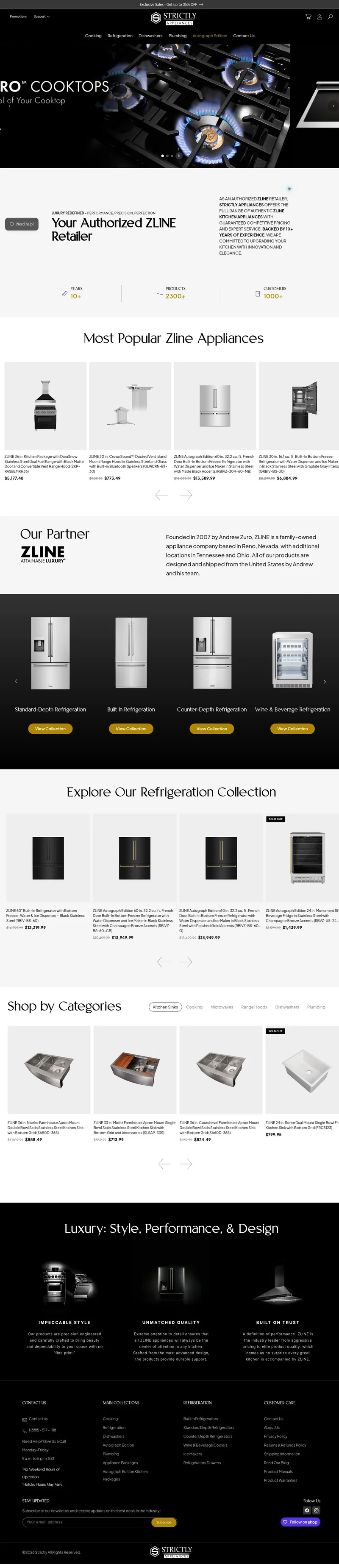
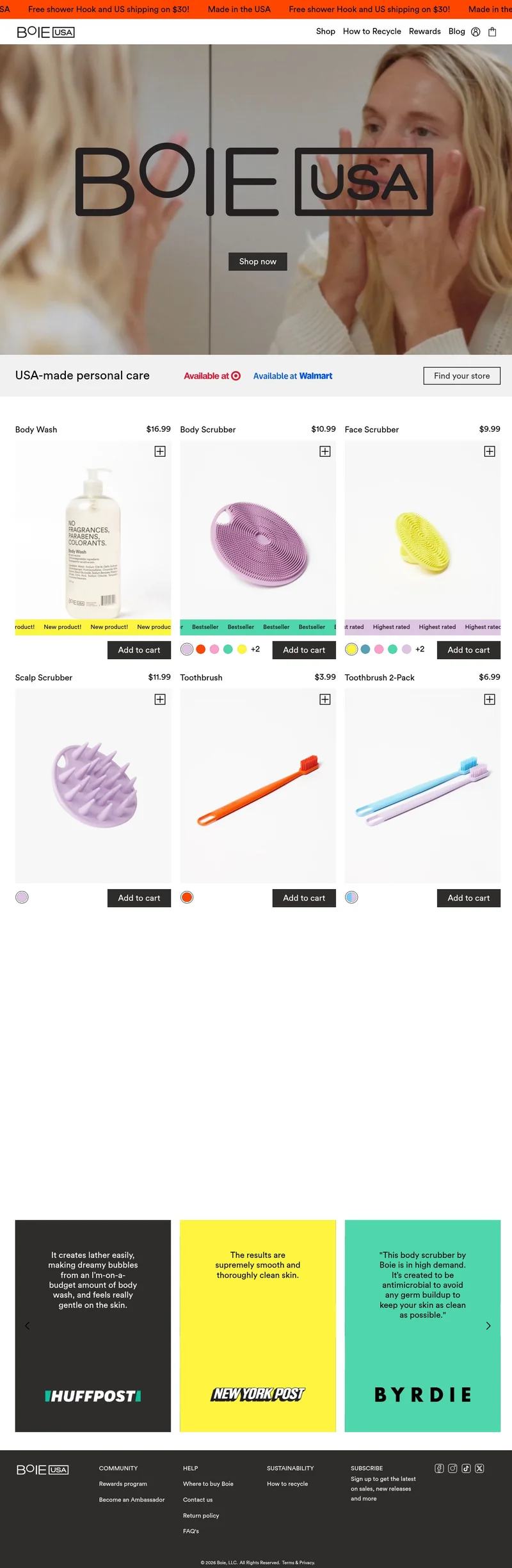


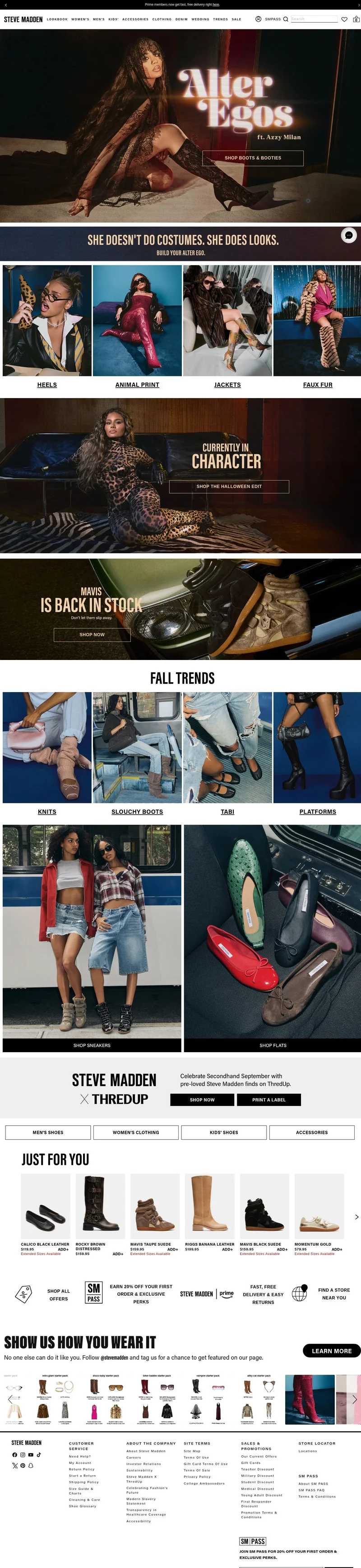

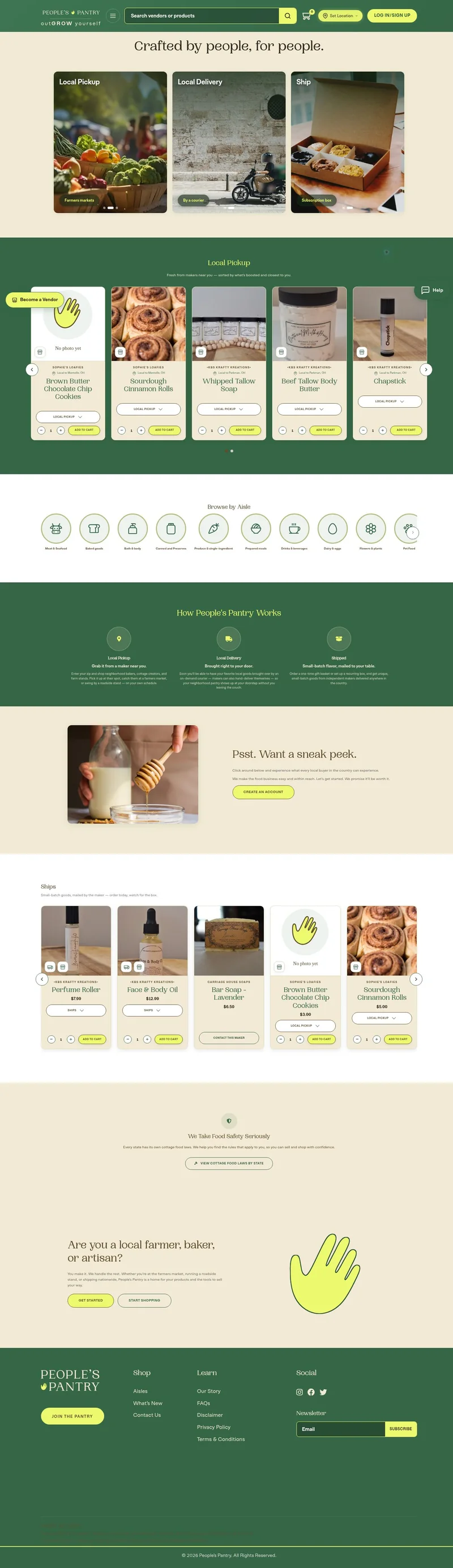
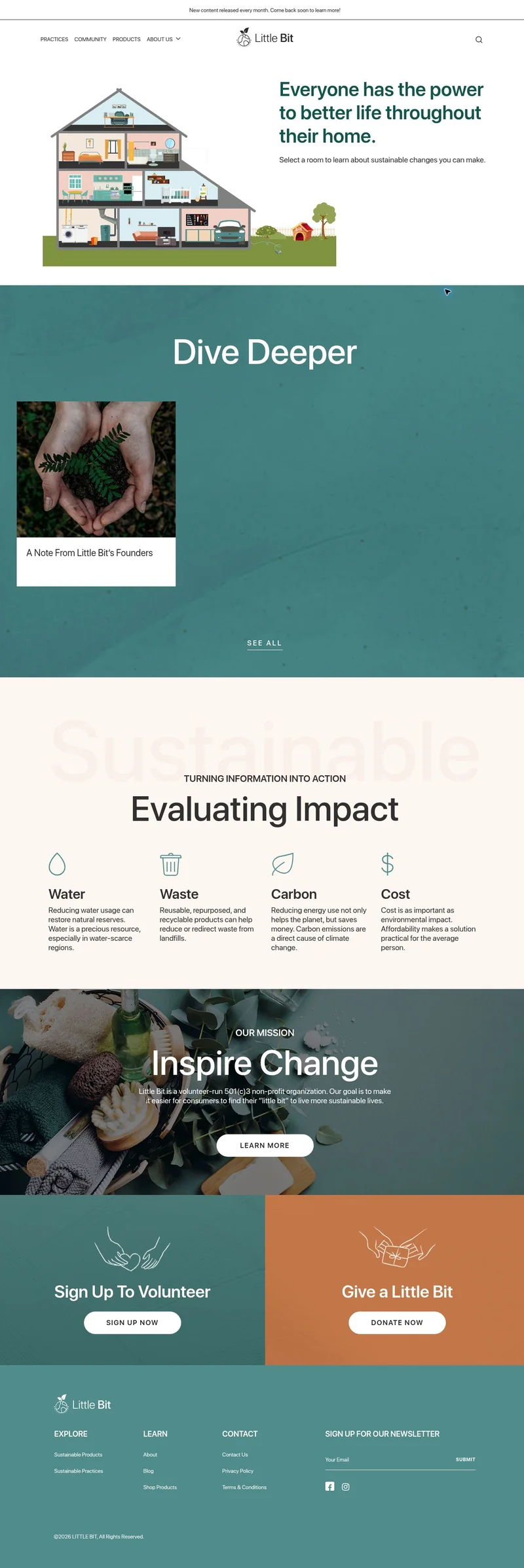
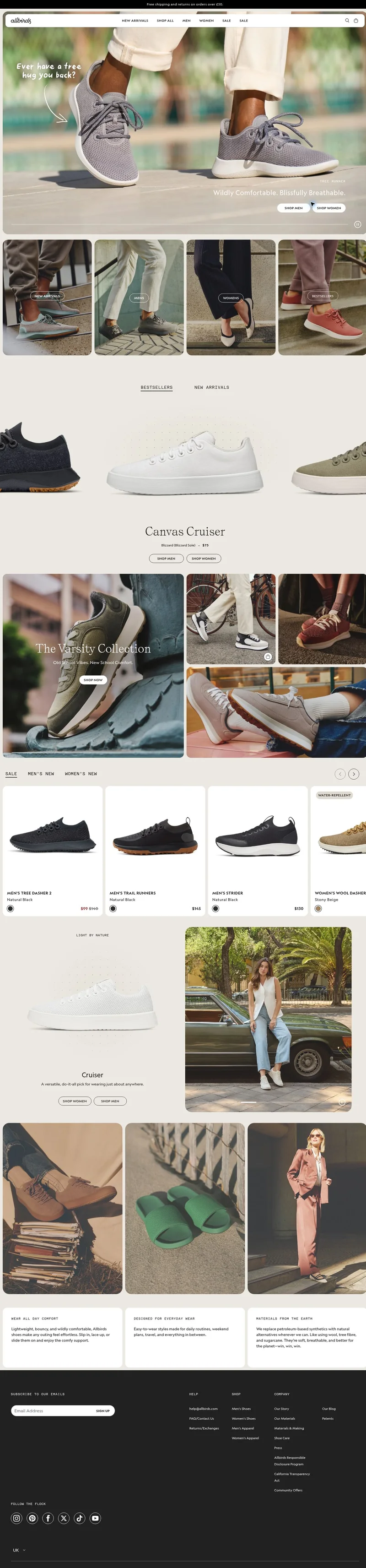

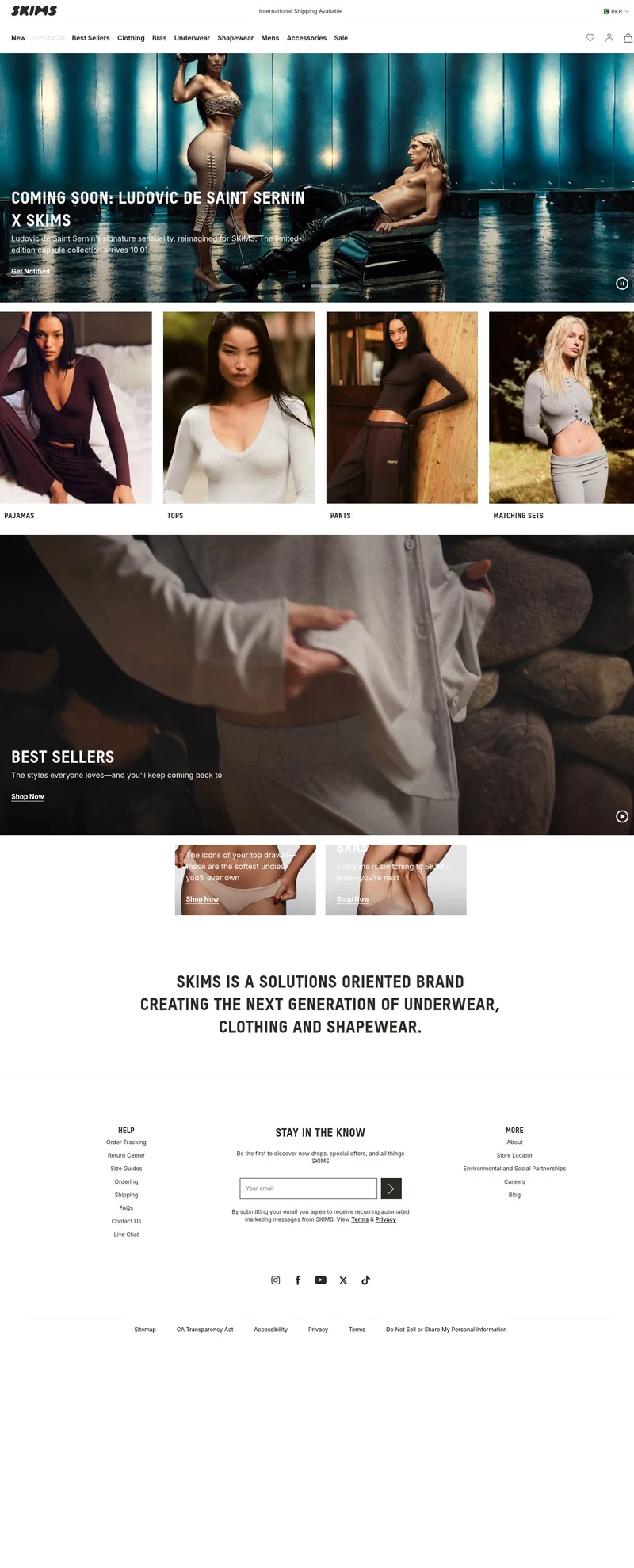



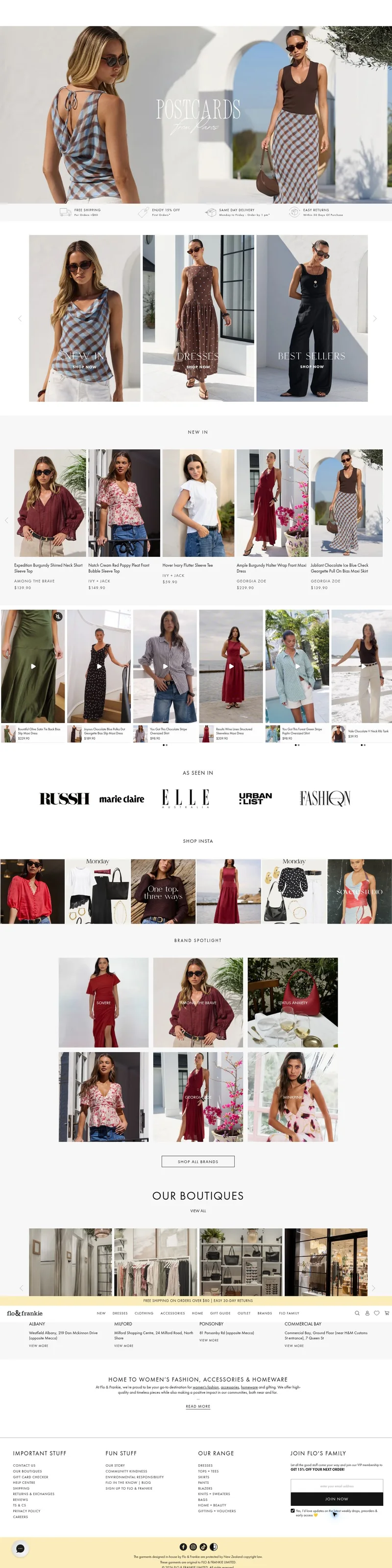
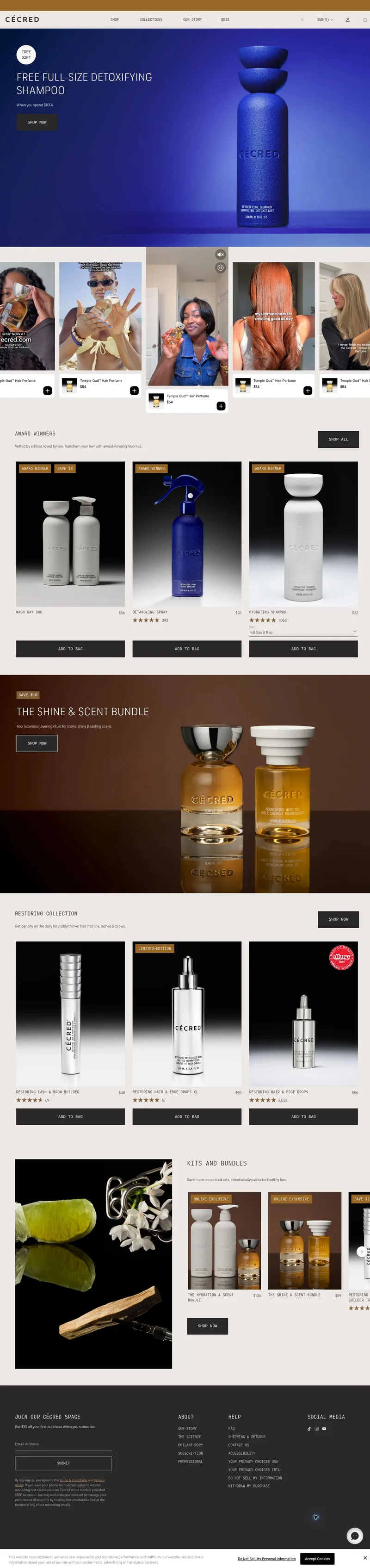
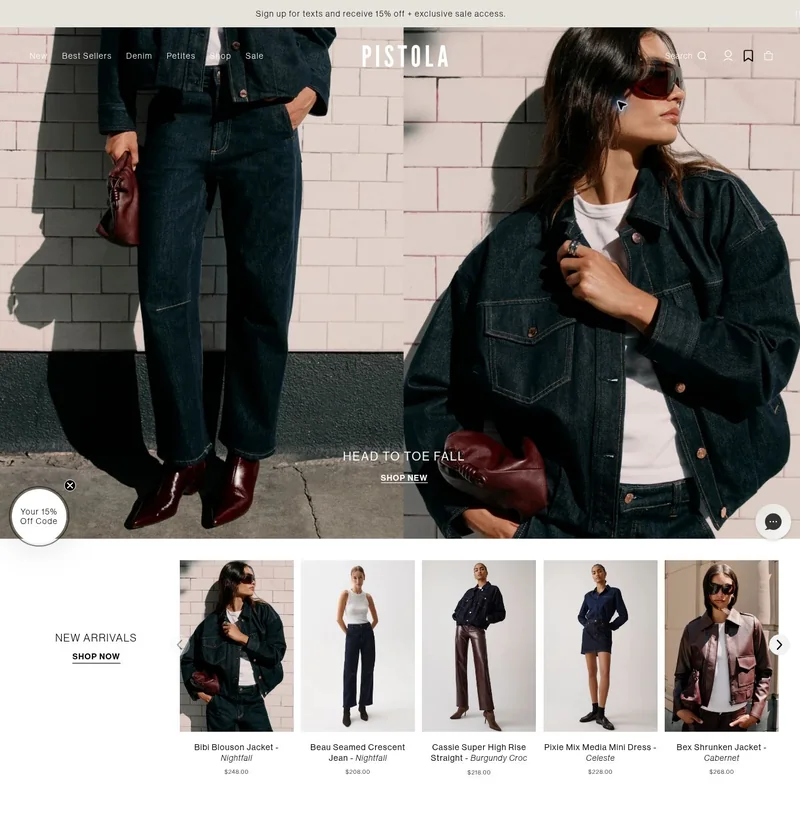
Homepage previews captured in September 2026; live content may change. These previews show design and functionality. Confirm the specific project role, delivery scope and outcome separately when discussing relevant experience.
Supplied platform screenshots. Open an image to see its detail.
The Shopify theme editor showing the induction cooking homepage, navigation and editable sections.
Illustrative platform screens show the type of work and reporting. These are not client results.
Review desktop and mobile layouts together before implementation.
Review loading, interaction and layout stability alongside the diagnostic worklist.
Organise product titles, stock, publication status and catalogue structure.
Explore eight illustrative projects, from the initial brief to delivery and acceptance. Businesses and data in these walkthroughs are fictional.
A considered storefront, from catalogue to checkout.
Illustrative project
Explore the walkthroughAn agreed theme, layouts and catalogue.
Data migration and feature replacement.
Inventory, rehearsal and cutover.
The published starting price is for adapting an existing theme: four custom sections and two templates within an agreed scope. A theme built from scratch needs discovery and its own quote. Prefer adaptation when the existing foundation supports the buying journey; investigate a custom build when verified requirements cannot be met reasonably through that approach.
Define the settings, blocks and content limits for each custom section. Acceptance should include the merchant changing the intended text, imagery and layout controls without editing code.
Shopify can include compatible code edits in a theme update; conflicting edits may need to be reapplied. Keep a change record, review the updated draft and test the required store behaviour before publishing. Ongoing update support is agreed separately.
$2,000 – $4,000 / theme adaptation. Custom theme discovery from $750; full custom build by quote These are published USD prices. The written quote must state the complete cost, payment schedule and applicable taxes.
3–5 weeks for adaptation. To scope the work, prepare: Current theme; required sections; approved design. The schedule starts after the required access, inputs and approvals are ready.
Use the listed deliverables and exclusions as the starting point. The quote must state acceptance checks, review rounds, payment stages, cancellation arrangements and any ongoing support. Requested additions need an agreed cost and schedule before implementation.
Tell us where you are, what needs to change, and what success would look like for your business.