
Find the right product
Organise collections, navigation and relevant filters around how customers browse.
What we check
Can a first-time visitor reach the right range on a phone?
Bring your products, brand and customer journey together in a Shopify storefront your team can manage.
Prices cover the listed scope. Additional work and external costs are quoted separately.
We plan the storefront around the decisions a customer needs to make, then check the same journey with the team who will run it.
Organise collections, navigation and relevant filters around how customers browse.
Can a first-time visitor reach the right range on a phone?
Bring images, specifications, care information and delivery expectations together on the product page.
Can the shopper answer their main questions before adding to cart?
Make options, availability and the selected variant clear.
Do price, image and stock behaviour stay correct when options change?
Review cart changes, discounts and the agreed payment and shipping setup.
Does a test order reach the right operational workflow?
Review order messages and the route for delivery, returns and support questions.
Can the customer find the help they need after buying?
Show the merchant how to update agreed sections, products and collections.
Can the store team make routine content changes after handover?
Checkout is configured separately from the theme. Available customisations depend on the Shopify plan and app, so we verify those requirements before promising a particular checkout design.
Build one Shopify storefront on an approved theme, with up to five agreed templates or sections and thirty clean product records.
Define the buying journey, collections, page needs and approved theme.
Name the five included templates or sections and document app dependencies.
Configure the agreed storefront through two design review rounds.
Check collection, product and supporting content on mobile and desktop.
Import up to thirty clean products and configure agreed payment and shipping settings.
Inspect product variants and complete the agreed test purchase journey.
Demonstrate editing sections, managing products and updating navigation.
Hand over access, app-cost notes and the launch/support checklist.
Configured store, catalogue and checkout QA record, merchant training and a fourteen-day defect review.
Outside this scope: Bespoke theme from scratch, custom apps, extensive copywriting, complex catalogue cleanup and Plus-only assumptions
3–5 weeks after assets
Shopify, premium theme and apps separate
A new store, redesign and smaller theme task need different scopes. Source-platform migration is quoted separately under Shopify Migration.
If the full scope is beyond your budget, we’ll prioritise the most useful work and agree a smaller first phase with you.
Share what is available. We’ll identify any missing access or inputs during scoping.
Published prices apply to the listed scope. Deliverables, timing, revisions and external costs are confirmed before work starts.
An illustrative delivery approach to help you review the scope. This is a planning example, not a client case study.
| Stage | Example work | Acceptance or decision |
|---|---|---|
| Scope | Name the homepage, collection and product layouts plus any additional agreed sections. | Count actual pages separately from reusable layouts. |
| Catalogue | Import thirty clean, approved products with required images and variants. | Check product data, collection membership and stock rules. |
| Handover | Demonstrate an agreed section edit and a complete test shopping journey. | Record app costs, account access and post-launch responsibilities. |
Explore the product catalogue, homepage editor and store dashboard. Select any screenshot to take a closer look.
ZLINE appliance listings with product status, inventory, categories and sales channels.
The Shopify theme editor showing the induction cooking homepage, navigation and editable sections.
The store dashboard for 20 August–20 September 2026, showing sessions, sales, orders and conversion rate.
Sales, sessions, orders
and conversion rate.
Scroll inside each preview to explore the homepage. Choose “Visit website” to browse the live site in a new tab.

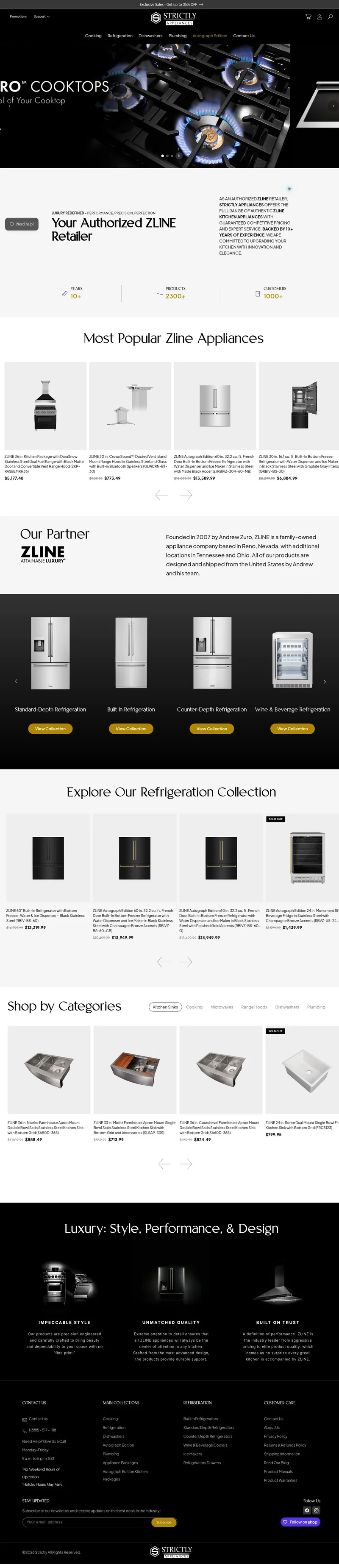
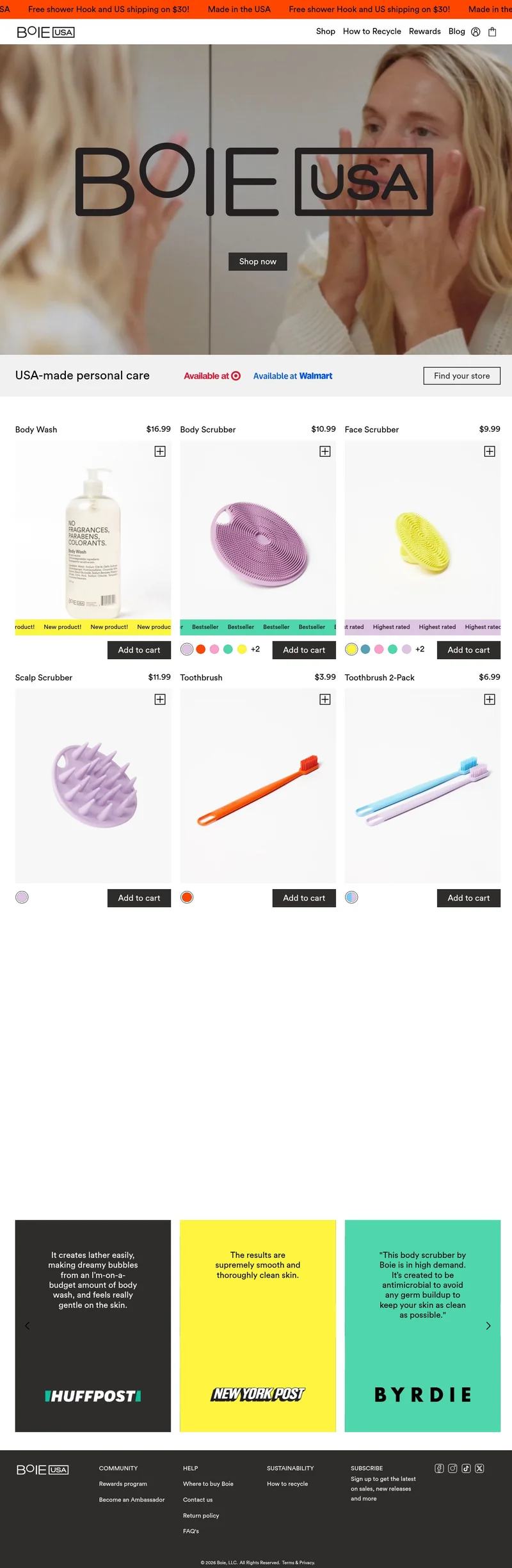


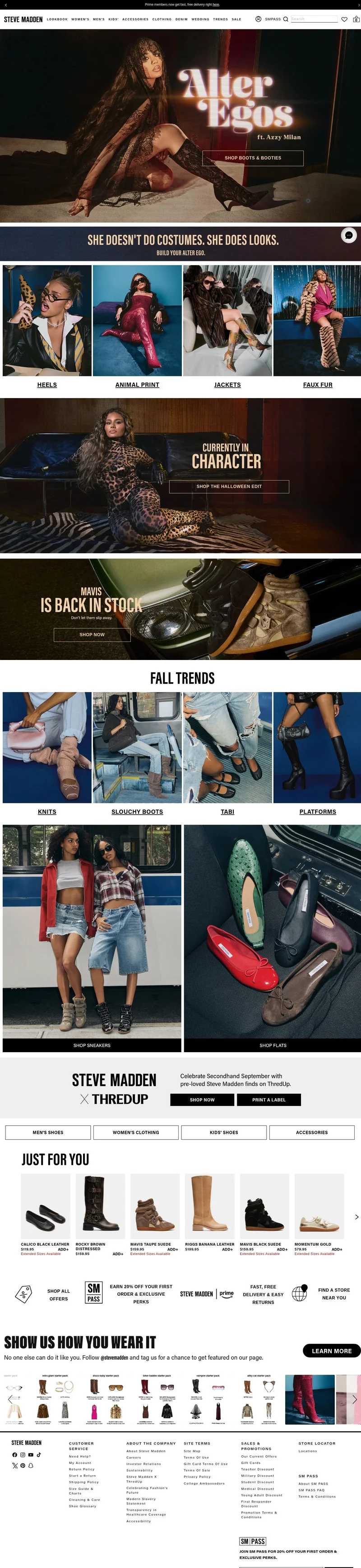

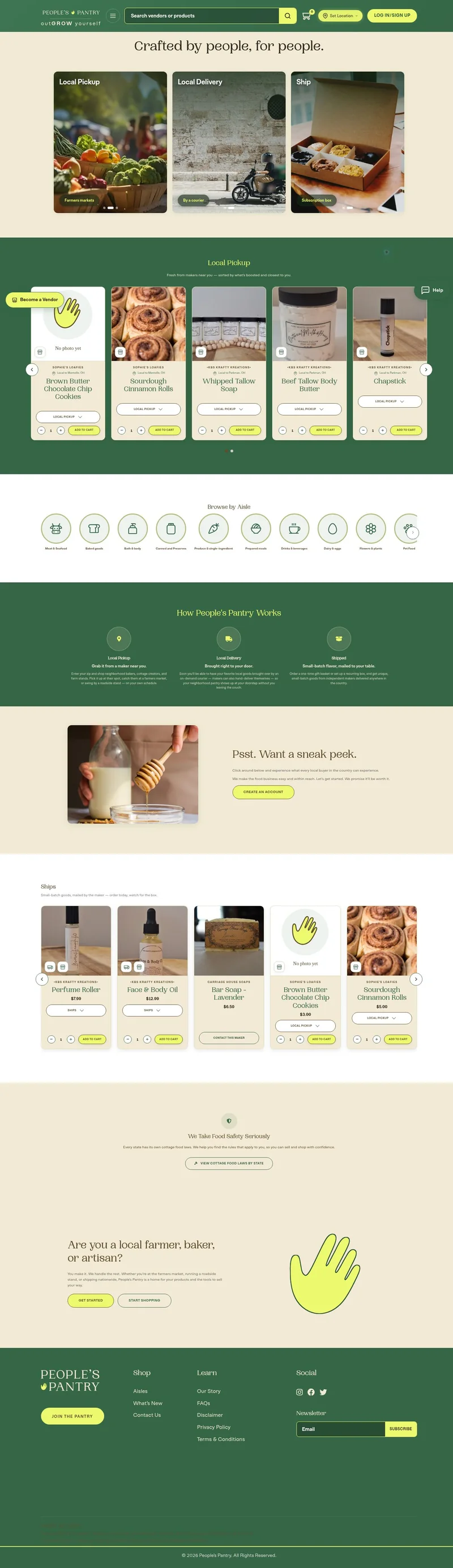
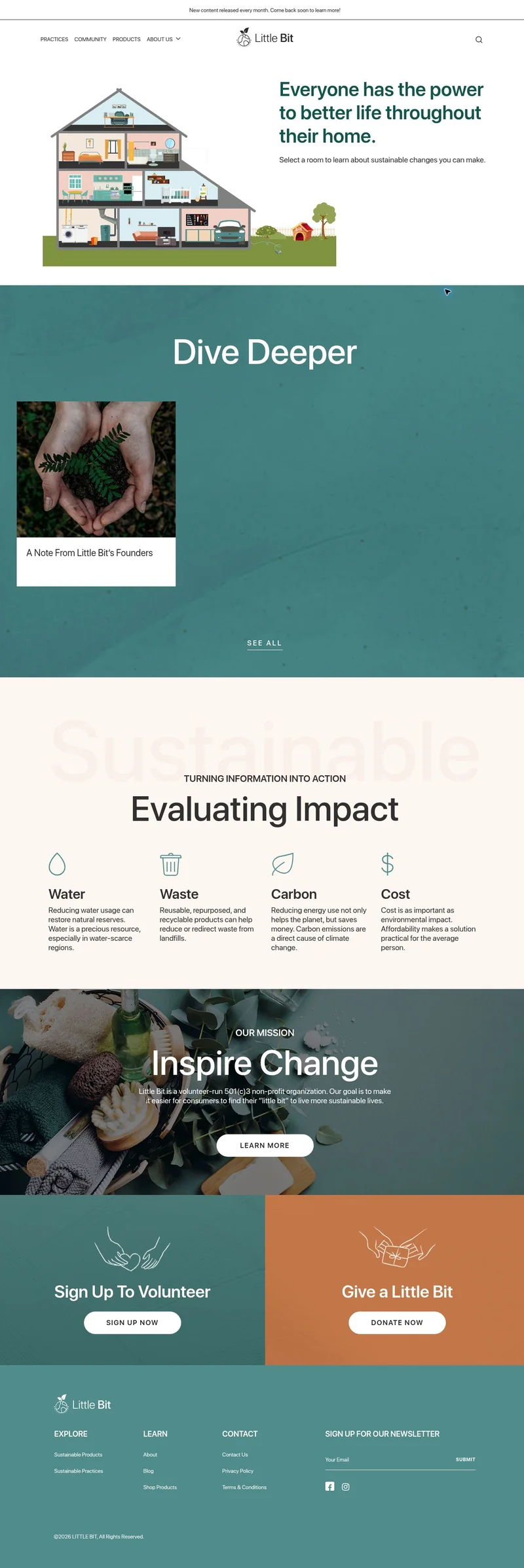
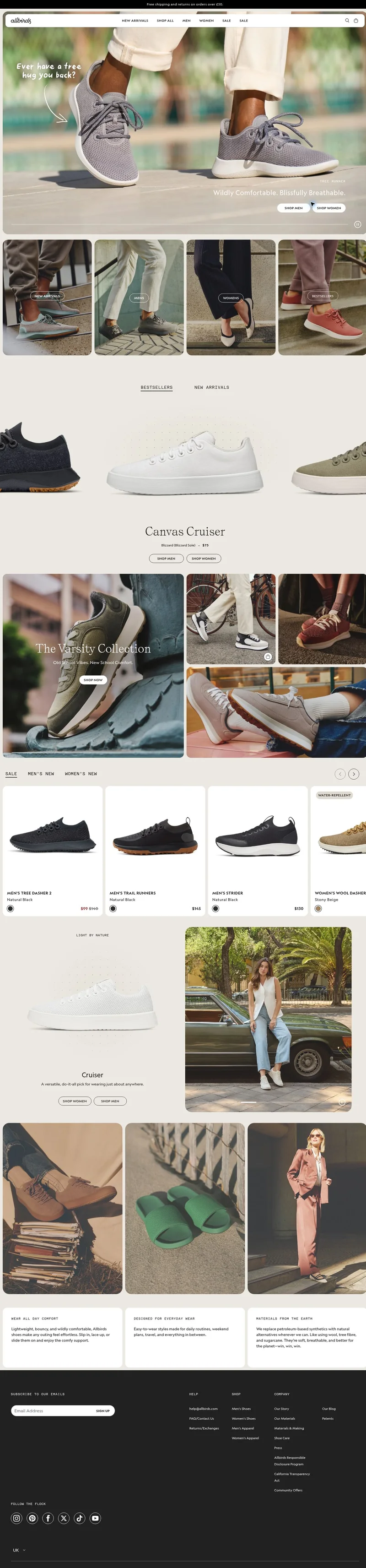

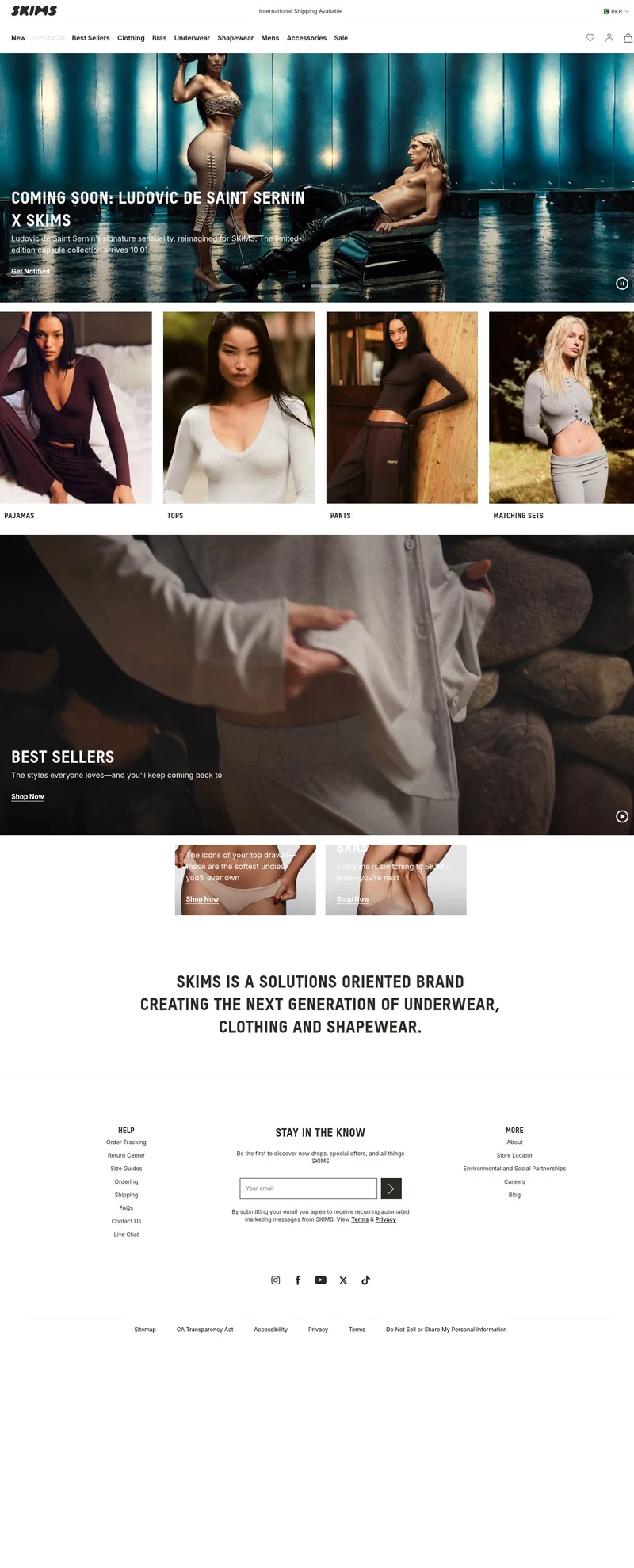



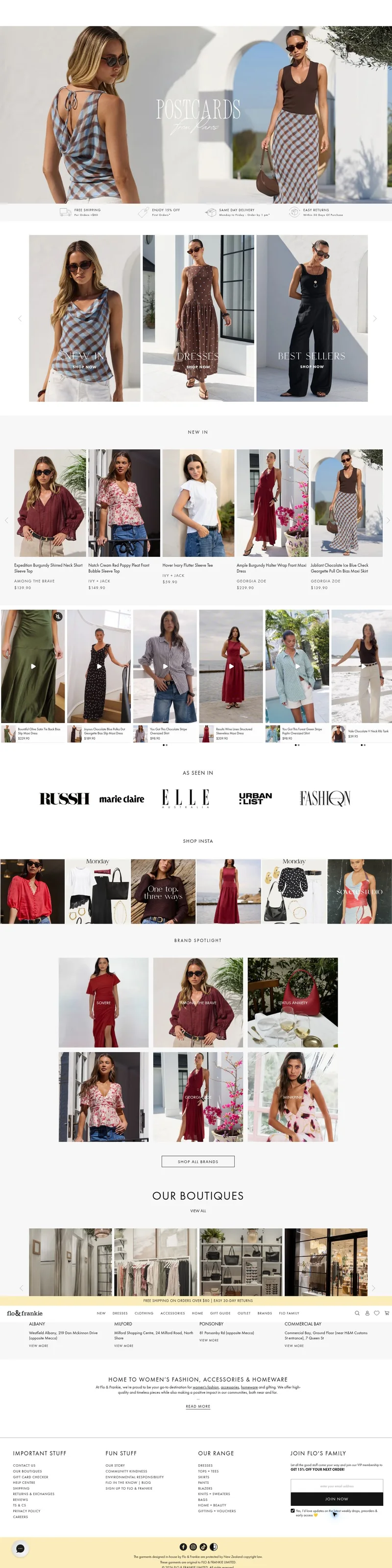


Homepage previews captured in September 2026; live content may change. These previews show design and functionality. Confirm the specific project role, delivery scope and outcome separately when discussing relevant experience.
Supplied platform screenshots. Open an image to see its detail.
Product titles, active status, inventory, categories and vendors in the Shopify product catalogue.
A multi-category product catalogue showing product status, inventory, categories, sales channels and vendors.
Illustrative platform screens show the type of work and reporting. These are not client results.
Make order rules, conditions and staff notifications explicit.
Follow the steps from product discovery through checkout and purchase.
Explore eight illustrative projects, from the initial brief to delivery and acceptance. Businesses and data in these walkthroughs are fictional.
A considered storefront, from catalogue to checkout.
Illustrative project
Explore the walkthroughCustom sections or a separately scoped theme.
Data migration and feature replacement.
Inventory, rehearsal and cutover.
Start by choosing a new store, a redesign or a smaller improvement. The listed build allowance is for an approved theme with up to five agreed templates or sections and thirty clean products. Before kickoff, name each included template or section and the actual pages to populate. A large catalogue, complex integrations and custom functionality require separate scope.
Agree the editable sections and common merchant tasks before build. The handover should explain products, collections, navigation and the supplied theme sections; custom behaviour and third-party apps may have separate settings.
The Shopify subscription, paid theme and apps are separate from development. Include payment, fulfilment, migration and content requirements in the total-cost discussion rather than assuming every store feature is included.
$2,500 – $5,000 / theme-based store. Shopify, premium theme and apps separate These are published USD prices. The written quote must state the complete cost, payment schedule and applicable taxes.
3–5 weeks after assets. To scope the work, prepare: Build/redesign; catalogue size; design assets. The schedule starts after the required access, inputs and approvals are ready.
Use the listed deliverables and exclusions as the starting point. The quote must state acceptance checks, review rounds, payment stages, cancellation arrangements and any ongoing support. Requested additions need an agreed cost and schedule before implementation.
Tell us where you are, what needs to change, and what success would look like for your business.